🔍 How to Read a Supplement Label Like a Pro
Supplement labels are designed to be skimmed, not actually read — bold claims up top, the real details in tiny print further down. Once you know what to look for, a label takes about 20 seconds to evaluate instead of feeling like a guessing game.
Here are 5 things to check every time, in the order that matters most.
📏 Serving Size (Read This First)
The Number Everything Else Depends On
Every other number on the label is based on the "serving size" — which isn't always one capsule. Some products list impressive amounts per serving, but a serving might actually be 2-4 capsules, meaning the per-capsule dose is much lower than it first appears.
📊 % Daily Value (%DV)
The Quick Reality Check
This tells you what percentage of the recommended daily amount you're getting. A number wildly over 1000% isn't automatically dangerous, but it's worth knowing whether you actually need that much, especially for fat-soluble vitamins (A, D, E, K) which can build up in the body over time.
🧪 The Specific Form of the Ingredient
Not All "Magnesium" Is Magnesium
The main ingredient name matters less than the specific compound listed next to it — magnesium glycinate absorbs very differently than magnesium oxide, even though both just say "magnesium" in the product name. Always check the fine print next to the ingredient itself.
🔎 Third-Party Testing Seals
The Trust Signal
Look for seals like USP Verified, NSF Certified, or Informed Choice. These mean an independent lab actually checked that the bottle contains what the label claims — something the supplement industry isn't required to prove on its own.
🧾 The "Other Ingredients" List
The Part Everyone Skips
This is where fillers, binders, artificial colors, and allergens hide. It's usually short and boring, which is exactly why nobody reads it — but it's where you'd catch something like unnecessary added sugar or an allergen you didn't expect.
🔍 Well-Labeled Products Worth Checking Out

Pure Encapsulations Magnesium Glycinate
Clearly names the specific compound (glycinate) and carries NSF Contents Certified testing — exactly what Checks 03 and 04 above are looking for.
Shop Magnesium Glycinate →
NatureWise Vitamin D3 5000iu
States the IU amount and %DV plainly on the front of the label, with no bundled or vague combination to decode.
Shop Vitamin D3 →
Nature Made Vitamin D3
Carries the USP Verified seal directly on the bottle — one of the clearest third-party testing marks to look for, per Check 04.
Shop Nature Made Vitamin D3 →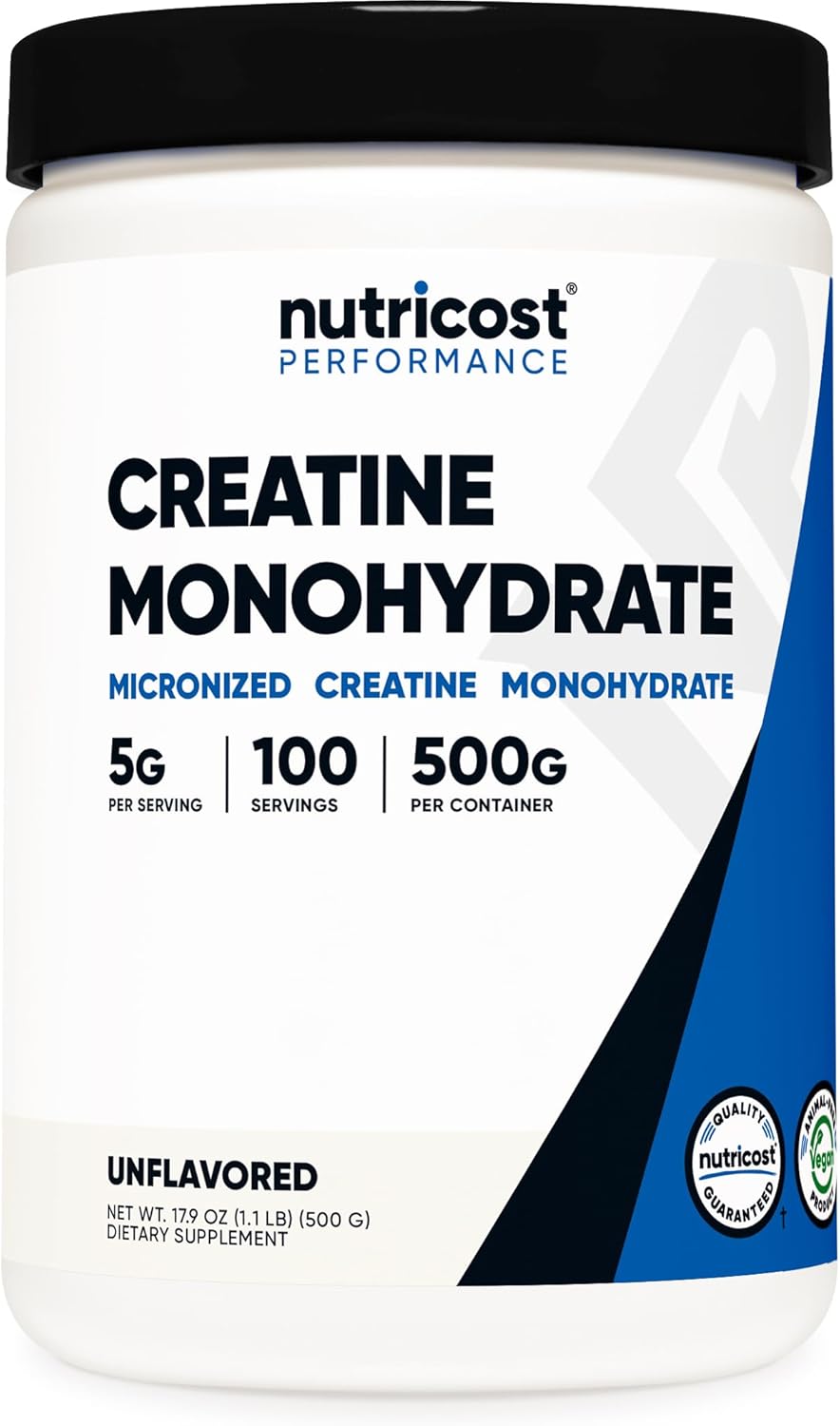
Nutricost Creatine Monohydrate
Lists the exact 5000mg per serving on the front label, with no proprietary blend hiding the actual dose — a good example of Check 01 done right.
Shop Creatine Monohydrate →
Sports Research Omega-3 Fish Oil (Triple Strength)
Breaks out EPA and DHA amounts individually instead of a single vague "fish oil" total, plus discloses sourcing and sustainability certification.
Shop Omega-3 Fish Oil →🔍 30-Second Label Checklist
| Check | What You're Looking For |
|---|---|
| Serving size | How many capsules = one full serving |
| % Daily Value | Not wildly over 100% without reason |
| Ingredient form | The specific compound, not just the mineral name |
| Testing seal | USP, NSF, or similar third-party mark |
| Other ingredients | No unexpected allergens or fillers |
❓ Frequently Asked Questions
Does a higher % Daily Value always mean a better product?
Not necessarily — more isn't automatically better, and for some nutrients, excessive amounts can actually cause problems.
What if a product doesn't have a third-party testing seal?
It's not automatically bad, but a seal gives you more confidence the label is accurate — it's one data point among several, not a hard requirement.
Is "proprietary blend" always a red flag?
It's worth being cautious of, since it usually means you can't see individual ingredient amounts — not automatically bad, but harder to evaluate than a fully disclosed label.
This article is for general informational purposes only and is not intended as medical advice. Always consult a healthcare provider before starting any new supplement.