⏰ Morning vs. Night: When to Actually Take Your Supplements
Most supplement labels just say "take daily" — but timing actually matters more than people realize. Some nutrients work better with food, some can keep you wired if taken too late, and some do their best work while you sleep.
Here's a simple breakdown of what to take when.
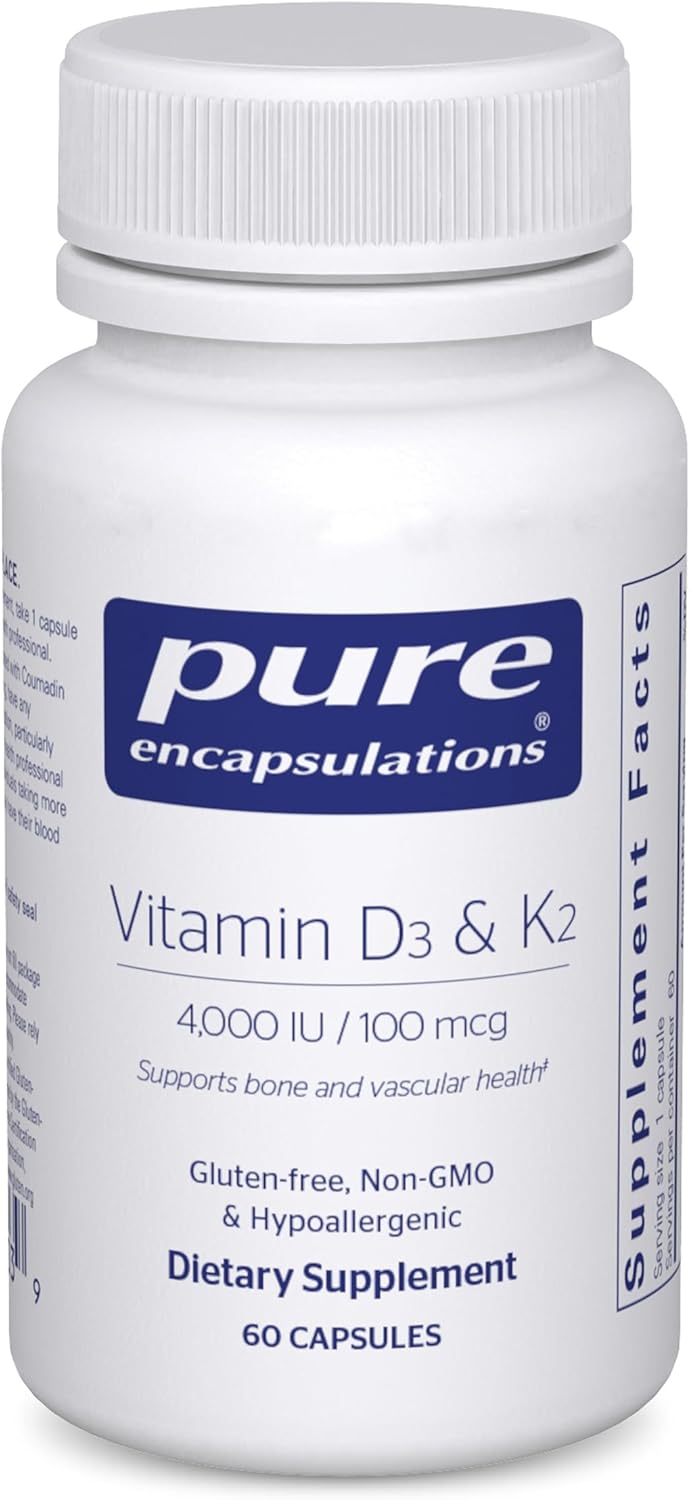
Vitamin D3 + K2
Take With Breakfast
Vitamin D is fat-soluble, meaning it absorbs better alongside a meal with some fat in it — breakfast works well. Taking it in the morning also avoids any (rare) reports of it affecting sleep in some people when taken late.

Probiotic
Take on an Empty Stomach
Many probiotics are best taken first thing in the morning, before food, so the bacteria move through your stomach acid more easily and reach your gut intact.

Methyl B Complex
Take Early, Not Late
B vitamins are linked to energy metabolism, and some people notice they feel more alert after taking them — which is exactly why night isn't the best time. Morning avoids any risk of it interfering with winding down later.

Magnesium Glycinate
Take an Hour Before Bed
Magnesium is one of the few supplements where nighttime timing genuinely matters — it's commonly used to support relaxation and wind-down before sleep, making it a natural fit for the end of the day rather than the morning rush.

Omega-3 Fish Oil
Take With Any Meal
Unlike the others, timing here matters less — omega-3s just need to be taken with food (any meal) to absorb well and avoid the occasional "fishy" aftertaste some people notice on an empty stomach.
⏰ Quick Reference
| Supplement | Best Time |
|---|---|
| Vitamin D3 + K2 | Morning, with food |
| Probiotic | Morning, empty stomach |
| Methyl B Complex | Morning |
| Magnesium Glycinate | Evening, before bed |
| Omega-3 Fish Oil | Any meal |
❓ Frequently Asked Questions
Does it really matter if I take everything at once?
For most people, consistency matters more than perfect timing — but spreading them out as described here can improve absorption and how you feel.
Can I take magnesium in the morning instead?
You can, but many people specifically use it in the evening for its relaxation-supporting reputation — morning use won't cause harm, it just may not serve the same purpose.
What if I forget and take something at the "wrong" time?
Taking it late (or early) is generally better than skipping it — timing is about optimizing, not a strict rule.
This article is for general informational purposes only and is not intended as medical advice. Always consult a healthcare provider before starting any new supplement or changing your routine.